



There are many people who have dreamed of hiking to Machu Picchu and can understand that it would be impossible to hike to this location on your own without trekking in Peru. When planning your trip to Peru, you will be wondering about the types of hikes available to you along the Inca Trail to discover the Lost City of the Incas. And, with multiple options available for trekking along the Inca Trail, the most important consideration is whether you want to do the entire Classic Inca Trail or would rather do the shorter, more direct route known as the Short Inca Trail. This guide will illuminate the primary differences between the two hikes, so you can better assess which route meets your adventure goals; if you are an experienced hiker or just getting started, there is a trek for every level!
What is the Classic Inca Trail?
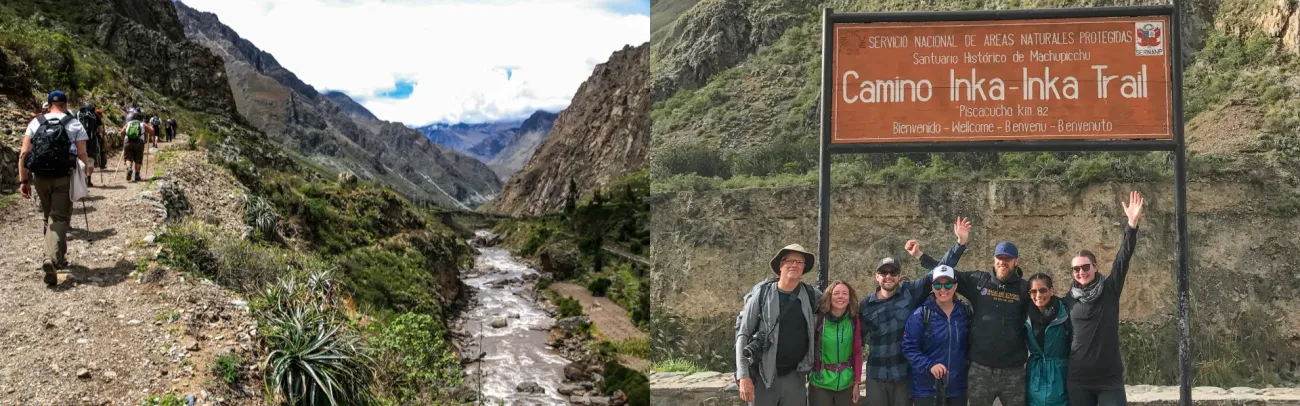
The Classic Inca Trail is the traditional and most well-known approach to Machu Picchu. It is comprised of several segments along trails created by the Incas hundreds of years earlier. This hike lasts multiple days and begins at Km 82, located close to Ollantaytambo, then makes its way through various terrains from Cloud Forests to high altitude passes. As part of the experience, you will camp out under clear skies, see different ruins belonging to the Inca Empire and witness the most stunning sunrise view at the Sun Gate (Inti Punku), which is where the sun rises above Machu Picchu. The trail is a UNESCO World Heritage site and offers you the opportunity to learn about the Inca Empire and appreciate Peru's natural beauty through this incredible hiking experience.
What is the Short Inca Trail?
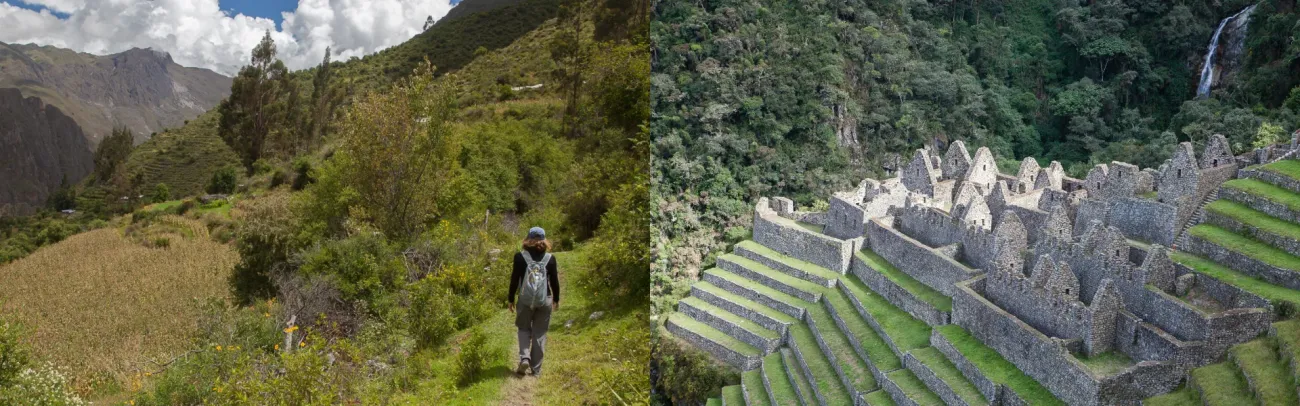
The Short Inca Trail is also called the 2-Day Inca Trail; it has less distance than the full version but it still provides you access to many of the same experiences along the Inca Trail. This trek starts at Kilometer 104, and you will take the scenic train from either Cusco or Ollantaytambo. As you travel along the train tracks, you will see beautiful views of the jungle, and then stop at some important sites such as Wiñay Wayna. Your journey will then continue until you arrive at Machu Picchu along the Inca Trail and descend further on to Aguas Calientes. You will have a full day to explore the ruins of Machu Picchu on Day Two. This version is a wonderful option if you are limited on time and still want to sample the Inca Trail experience without committing to the full itinerary.
Key Differences Between the Short and Classic Inca Trails
To make your decision easier, here's a side-by-side comparison of the main aspects. These details are drawn from expert tour operators and traveler insights.
Aspect | Short Inca Trail | Classic Inca Trail |
| Duration | 2 days / 1 night | 4 days / 3 nights |
| Distance | 10-12 km (6-7.5 miles) | 42-43 km (26 miles) |
| Difficulty | Moderate; easier with no high passes | High; challenging with steep ascents like Dead Woman's Pass (4,200 m / 13,780 ft) |
| Highest Altitude | Around 3,000 m (10,000 ft) | Up to 4,200 m (13,780 ft) |
| Physical Demands | Basic fitness; one main hiking day | Strong endurance; multi-day trekking, needs preparation |
| Accommodation | Hotel in Aguas Calientes | Camping along the trail |
| Sites Visited | Chachabamba, Wiñay Wayna, Sun Gate | Patallacta, Runkurakay, Sayacmarca, Phuyupatamarca, Wiñay Wayna, Sun Gate, and more (over 20 ruins) |
| Permit Requirements | Required; easier to book but advance recommended | Required; limited (500/day), book 3-6 months ahead in peak season |
| Cost (approx.) | $450-750 USD per person | $750-1,300 USD per person |
| Best Time | Year-round, but dry season (May-Sep) preferred |
Both trails end with an unforgettable arrival at Machu Picchu, but the Classic offers more historical depth while the Short prioritizes efficiency.
Pros and Cons of Each Trail
Classic Inca Trail
Pros:
- Deeper immersion in Inca culture with more ruins and scenic variety.
- Camping experience adds to the adventure.
- Iconic sunrise entry through the Sun Gate.
- Builds camaraderie with your group over multiple days.
Cons:
- More physically demanding and time-consuming.
- Higher risk of altitude sickness without proper acclimatization.
- Permits sell out quickly; less flexibility.
- Pricier due to porters, meals, and gear.
Short Inca Trail
Pros:
- Fits into tight schedules; great for combining with other Peru highlights.
- Less strenuous, suitable for families, beginners, or older travelers.
- Comfortable hotel stay and simpler logistics.
- Often less crowded at sites like Wiñay Wayna.
Cons:
- Misses out on some remote ruins and the full trail experience.
- Shorter hike means less time in nature.
- Still requires permits, though easier to get.
- Arrival at Machu Picchu might not be at sunrise
Which Trail is Right for You?
Those who are in good health and have four or more days to spare should plan on hiking the Classic Inca Trail and enjoy the complete both physically and historically challenging experience. This route is the ideal adventure for avid hikers and those with an interest in climbing the more difficult trails of their bucket list.
For those with limited time to travel, those just starting to hike or those who would prefer comfort over difficulty, the Short Inca Trail provides the perfect balance of exploring the Inca heritage without straining your body too much.
Regardless of which trail you choose, please book all your permits, guides, etc., through an authorized operator. You should acclimatize to the altitude in Cusco for at least 2 to 3 days before hiking the Inca Trail and be sure to dress in layers due to the unpredictable weather conditions in Peru.