



Trying to decide what to do on your trip to Cusco? You've come to the center of the history of the Incas, and two of the most popular destinations on travelers' lists are the famous Machu Picchu, and the lesser-known ‘sister’ site Choquequirao. Both are visually striking remnants of Inca civilization high in the Andes, however, they offer vastly different kinds of experiences. If you're unsure whether to go with the well-trodden path of crowds at Machu Picchu, or the solitude of Choquequirao, this guide helps to clarify your options. We'll examine the advantages and disadvantages of each (accessibility, highlights, etc.), using information gathered from leading travel websites.
A Short History of the Inca Wonders
Machu Picchu is thought to have been built as a royal estate or a religious site for the Inca emperor Pachacuti in the 15th century. Hiram Bingham rediscovered Machu Picchu in 1911, and it was later designated a UNESCO World Heritage site and one of the New Seven Wonders of the World. Today, Machu Picchu attracts millions of visitors each year because of its terraced fields, temples, and exquisite stonework.
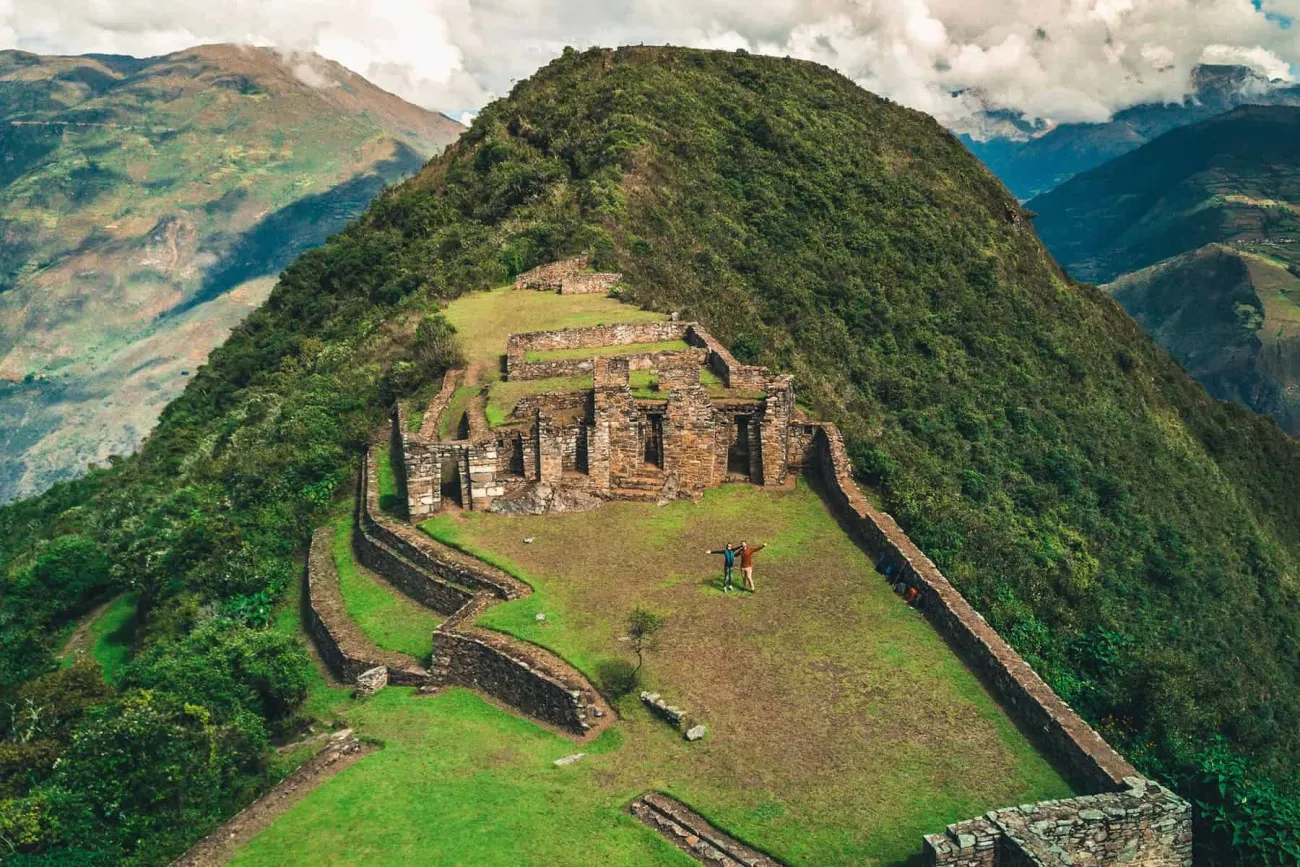
Choquequirao, another Inca site, also dates back to the 15th century and was initially thought to serve as a cultural and religious centre. It may have been a final stronghold for the Inca during the Spanish conquest. Some consider Choquequirao to be Machu Picchu's "sacred sister." While only partially excavated starting in the 1970s, approximately 60% of the site remains unexcavated, enhancing its mystique.
Comparison of the Access to Machu Picchu and Choquequirao.
There is a distinct contrast between travelling to Machu Picchu and Choquequirao due to their respective methods of transportation. To reach Machu Picchu, one may take a train from either Poroy or Ollantaytambo to Aguas Calientes (approximately two to three hours), and, afterward, a bus to take them up to Machu Picchu (approximately 30-40 minutes). The total time travelling is four to six hours and it is possible to go back and forth within a day, depending upon one's timetable or want for full experience. For individuals who enjoy hiking, the famous Inca Trail adds excitement and challenge, but requires booking of permits many months in advance in order to hike it.
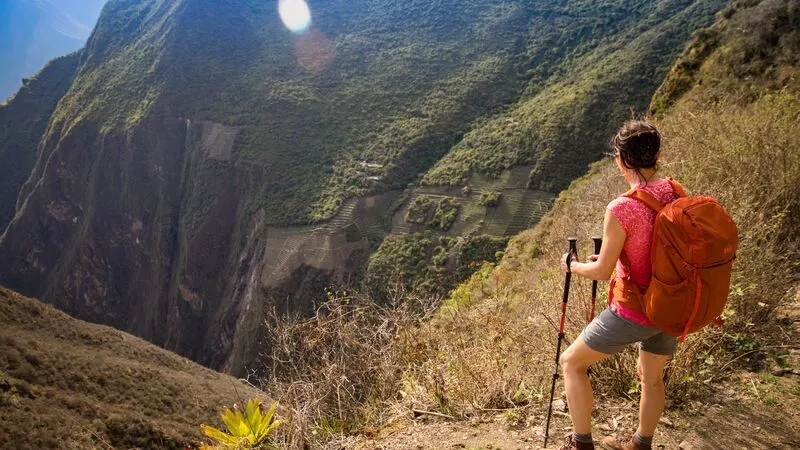
For Choquequirao, there are no trains or buses that provide transportation; one has to trek and camp for two to four days from the village of Cachora (about a 4 hour drive from Cusco). The trek involves steep descents into the Apurimac Canyon and climbs to 10,000 feet (3,050 meters) from the base of the canyon. The trek covers a distance of approximately 20 to 30 miles, round-trip. It is physically demanding with river crossings, overnight camping along the way but provides solitude along with some of the best scenery in Peru.
What You'll See: Size and Characteristics
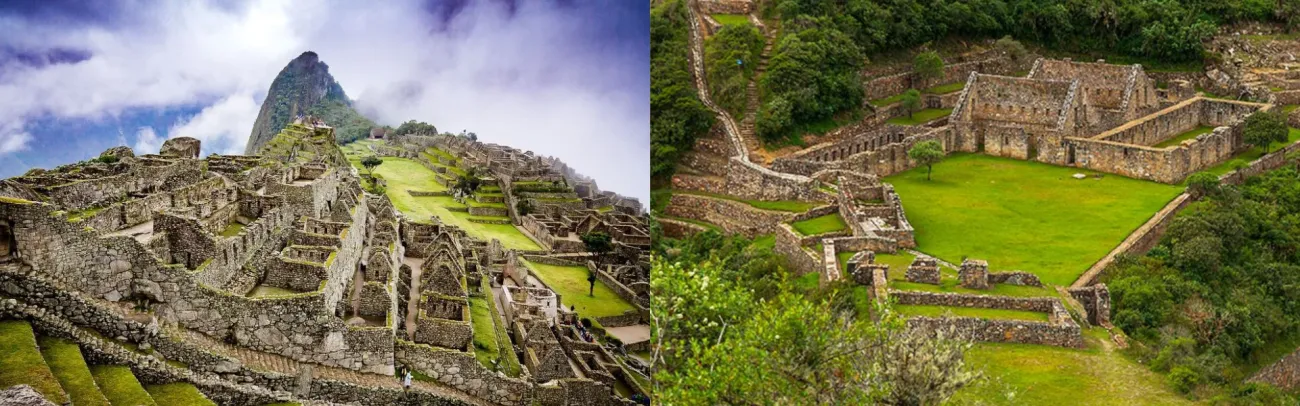
Machu Picchu has a total area of around 37,000. However, it is compact in form because of its design. Some of the highlights of Machu Picchu are; A temple dedicated to the sun, Intihuatana stone, and countless postcard ready terraces stepping down from the mountain peak, laying alongside the Urubamba River. Machu Picchu has been restored to perfection. You may see various Incan engineering feats by going on a guided tour.
Though Choquequirao is larger and occupies more land, it has larger terraces and plazas than Machu Picchu. There are other bypass stone inlays shaped like llamas that are unique to Choquequirao. Unlike Machu Picchu which is less than 620 meters higher than Choquequirao, the open areas (or plazas) of Choquequirao appear much more vast and wild. Choquequirao is not completely restored, and much of the site is still overgrown with jungle, which creates an opportunity to feel like an explorer finding something special deep within the jungle.
Crowd Levels and Atmospheric Conditions for Tourist Attraction versus Secluded Destination
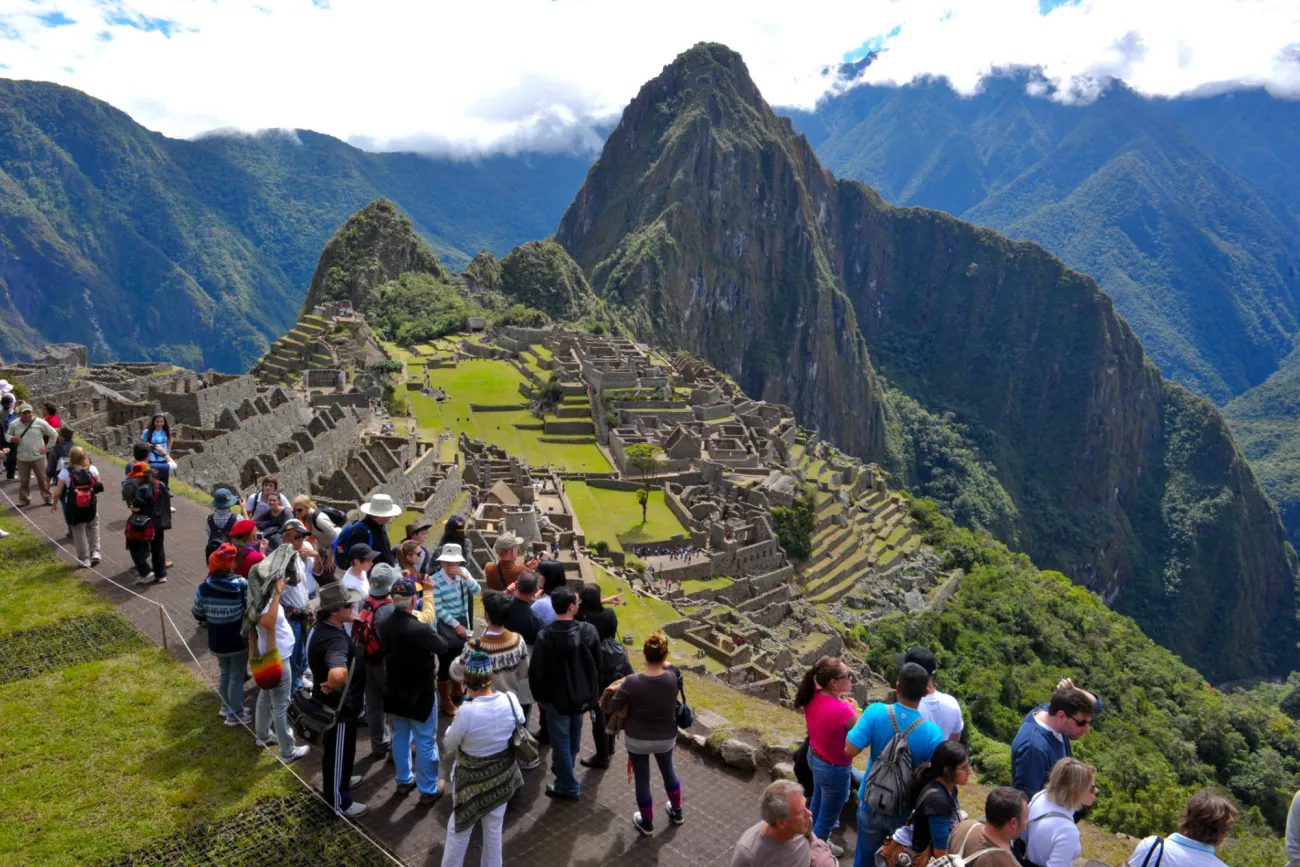
Machu Picchu has more visitors daily (as many as 5000), primarily during peak months (5 - 9) and may involve standing in long lines; taking shots of pictures with llamas and feeling a lively atmosphere, but being overcrowded. While the recent implementation of timed entry passes has improved the overall experience somewhat, it remains active and lively.
In comparison, Choquequirao attracts around thirty to fifty visitors daily due to its remote geographic location meaning most people will find themselves alone which creates an opportunity for solitude with opportunity for meaningful contemplation and deeper discovery. There are no stores or crowds here; just visitors, historic sites and the sounds associated with our natural world.
Pros and Cons: Side-by-Side Comparison
Here's a quick breakdown to weigh your options:
Aspect | Machu Picchu | Choquequirao |
| Accessibility | Easy (train/bus); day trips possible | Challenging trek (2-4 days); no shortcuts |
| Crowd Level | High (thousands daily) | Low (dozens daily) |
| Cost | $150-300 (tickets, transport, guides) | $50-200 (trekking fees, guides) |
| Physical Demand | Low to moderate (optional hikes) | High (steep trails, elevation changes) |
| Unique Appeal | Iconic views, well-preserved site | Larger, unexplored, authentic adventure |
| Best For | First-timers, families, short trips | Hikers, adventurers, solitude seekers |
Costs can vary based on tours and seasons—budget more for guided treks to Choquequirao.
Which Of These Should You Choose?
The decision ultimately will come down to your travel style:
Choose Machu Picchu if: You wish to take that must-have photo for your bucket list; you like convenience; and/or you have limited time/ mobility. Machu Picchu is one of the most iconic sights in Cusco, and if you're getting used to being at high altitudes you'll be able to go there very easily because it's located just a few hours away from Urubamba.
Choose Choquequirao if: You are looking for an adventurous experience away from the crowds; you like to do multiple day hikes; and you're physically fit and interested in the history of the Incas at a deeper more personal level than simply viewing the ruins.
Why not do both? If you have 7-9 days, opt for the Choquequirao-Machu Picchu trek as it offers the ultimate experience of Inca culture by traversing through untouched areas and ending at the magnificent site of Machu Picchu.
Practical Tips for Your Cusco Adventure
- Best Time to Visit: Dry season (May-October) for clearer skies, but book Machu Picchu tickets early. Shoulder months like April or November mean fewer crowds.
- Preparation: Acclimate in Cusco first to avoid altitude sickness. For Choquequirao, hire a guide and pack layers—nights get chilly.
- Sustainability: Stick to trails, support local communities, and choose eco-friendly tours to preserve these sites.
Whether you choose the beaten path or the road less traveled, both sites showcase the Inca's genius. If you're in Urubamba already, you're perfectly positioned to explore—happy travels!