




Everything Tasted From What It Is, a Quick History Rundown, Full Recipe, Safety You Gotta Know, and Those FAQs People Always Ask.
SECTION 1: WHAT'S CEVICHE ALL ABOUT
The basics and what makes it special
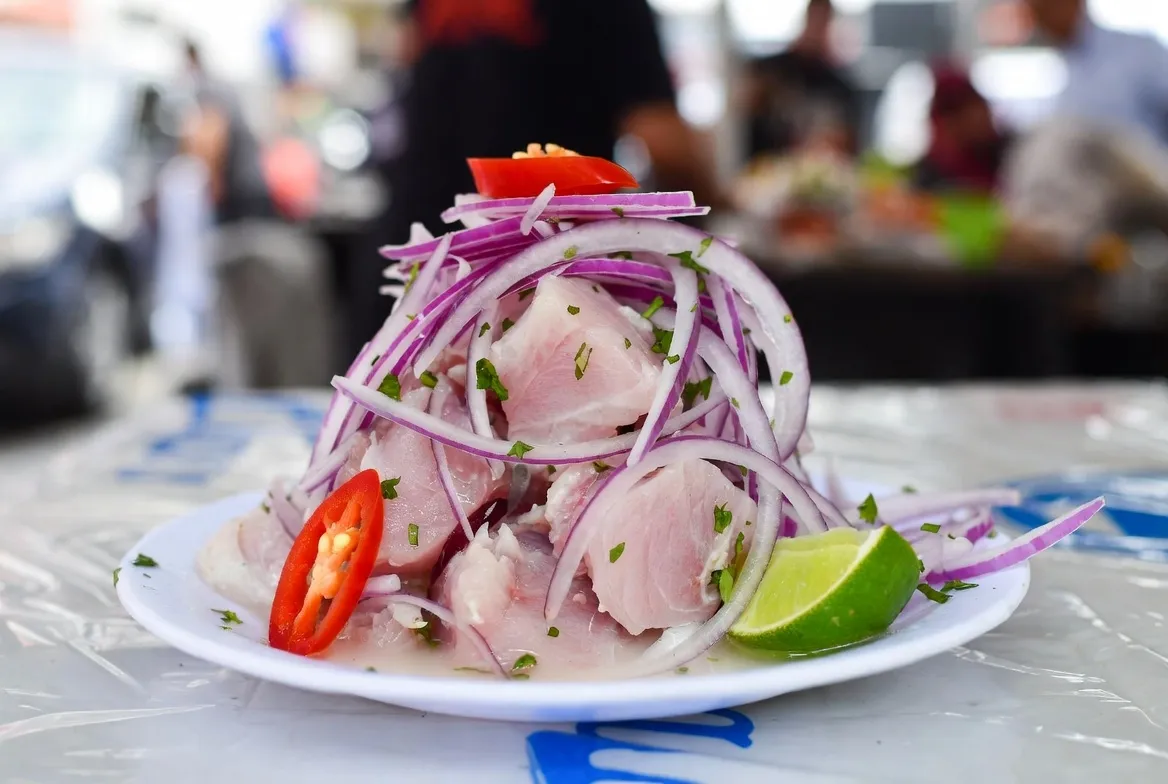
- It's a cold dish — raw fish or seafood "cooked" just by marinating in citrus juices.
- Roots go back to the Pacific coast of Latin America, mostly Peru, but also Ecuador, Mexico... you name it.
- The cool part? That chemical "cooking" from the acid — no heat needed, but it firms up the fish nicely.
- Texture-wise, you want it firm yet tender, super juicy.
- Key rule: Serve it right away, fresh as can be.
Main variations by country (these are the classics, anyway)
- Peru - The traditional one — key limes (they call 'em limón sutil), ají limo chiles, red onion, cilantro. Minimal juice, super fresh.
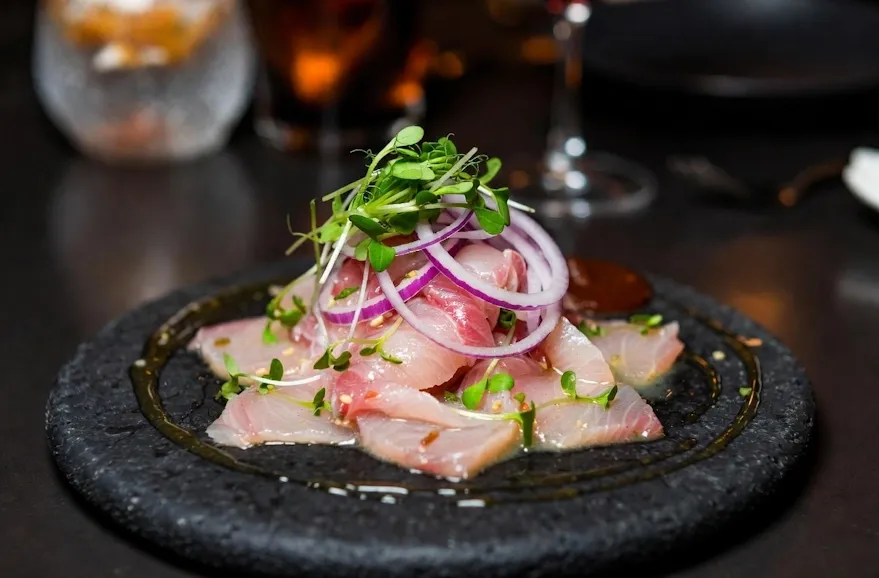
- Mexico - Lime juice heavy, with tomato, more cilantro, onion, avocado chunks. Often a bit soupier.
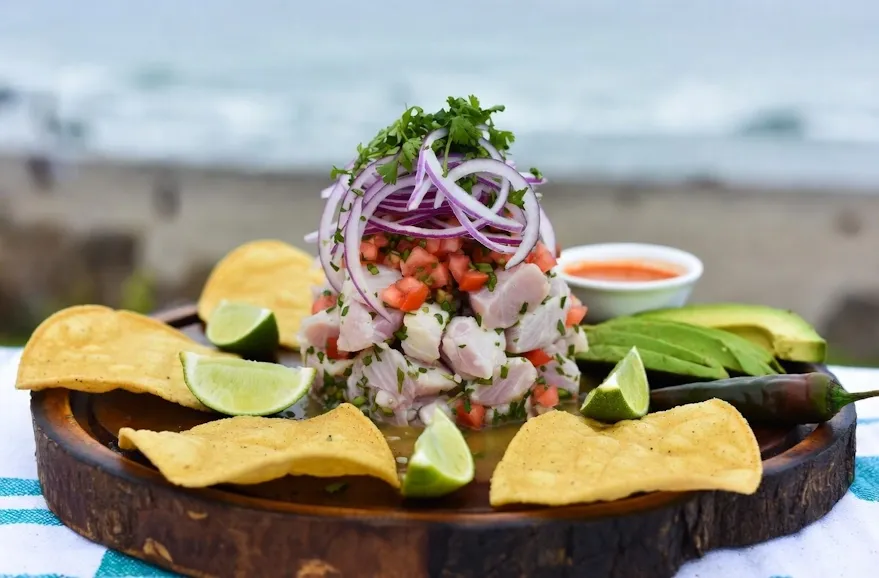
- Ecuador - Sour orange or lime, tomato, bell peppers — and sometimes a little bit of mustard or ketchup in a few places.
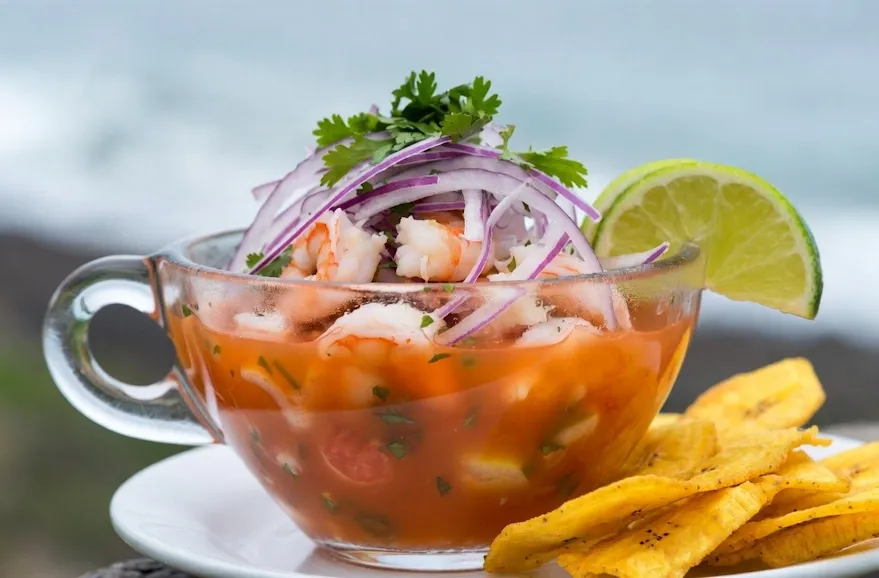
- Chile - Lemon juice, white onion, cilantro, garlic — occasionally a little olive oil.
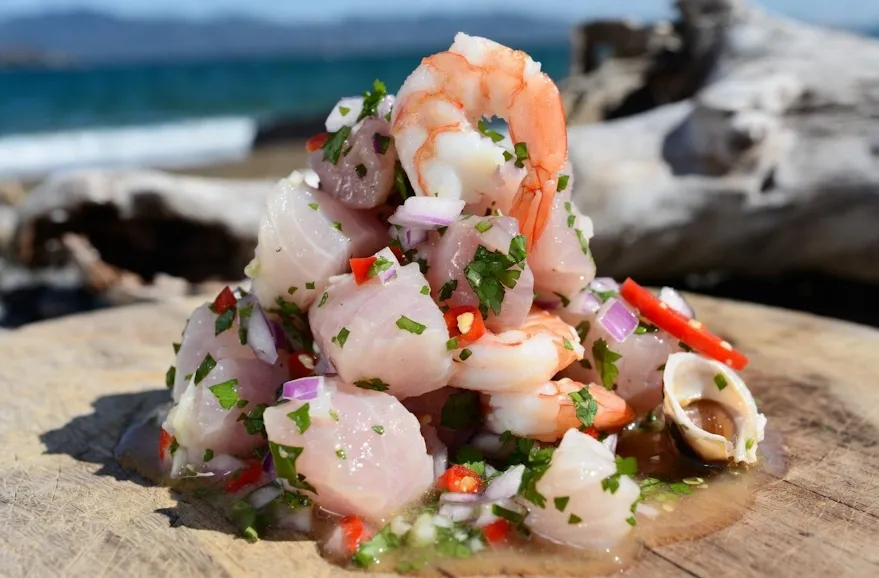
- Caribbean coast of Colombia - Lime with coconut milk, cilantro — creamy twist.
The Nuts and Bolts of Any Good Ceviche
- Super fresh fish as the star
- Acid from citrus juices
- Aromatic veggies (onion, usually)
- Chiles and herbs for kick
- And with it sides to go — corn, sweet potato, whatever fits the vibe
SECTION 2: A QUICK HISTORY LESSON
Pre-colonial origins
- There's evidence from the Moche civilization in Peru, way back around the 2nd century AD.
- They used acidic fruits like tumbo (kinda like passionfruit) to marinate fish — a way to preserve it without fire.
Colonial influence
- Spaniards brought limes, lemons, oranges — that's when citrus really took over.
- Onions came from Europe too.
- Mixed with local techniques, and boom — closer to what we know now.
Modern evolution
- 20th century: It blew up in Lima as Peru's flagship dish.
- 1970s onward: Hit fancy restaurants, spread worldwide.
- Today? International fame, tons of creative twists.
SECTION 3: STEP BY STEP RECIPE
Ingredients (serves 4 — great for a small party)
Basic stuff:
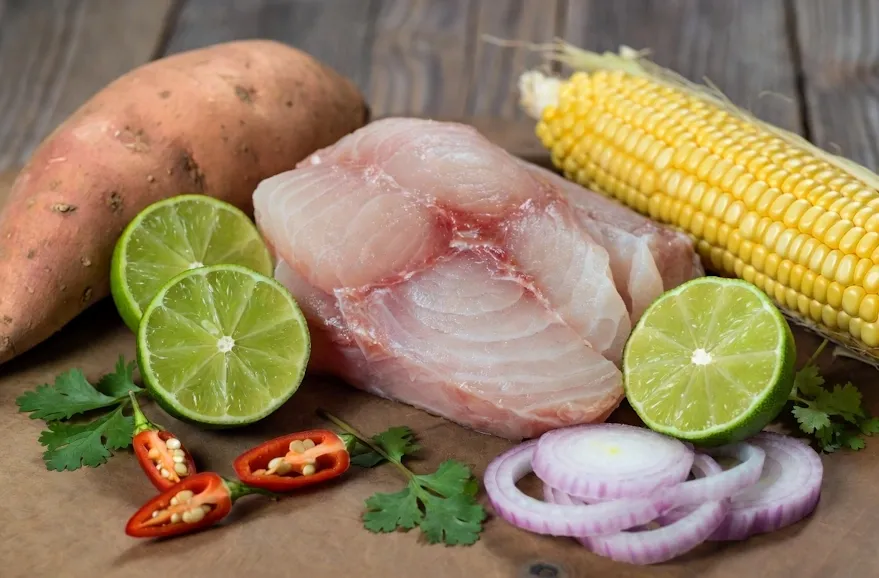
- About 1 lb/500g of fresh white fish — I use sea bass (corvina), sole, grouper, or other firm types.
- Ice to keep everything cold.
The marinade:
- 1 cup fresh lime juice (8-10 limes — key limes if you have them).
- Salt to taste (begin with 1 teaspoon).
Veggies & Aromatics:
- 1 large red onion, sliced very thin (julienne).
- 2 ají limo or hot chiles of your choice, no veins, no seeds and finely chopped.
- Big handful of fresh cilantro, chopped.
- 1 crushed garlic clove (optional - depth).
Traditional sides:
- 2 ears of corn (choclo if you can get it - large kernel Peruvian corn), boiled.
- 1 sweet potato boiled and sliced.
- Base: lettuce leaves.
- Toasted corn nuts (cancha) at side – crunchy heaven.
Here's How To Do It – With the Stages
Stage 1: Prep ahead (15 mins or so)
- Eat raw-ish? Freeze fish at -4°F (-20°C) for 7 days first to kill parasites.
- Defrost in the refrigerator the day before.
- Prep everything — chop, juice, chill your serving bowls.
Step 2: Prep the fish (10 mins)
- Make sure the fish is really well rinsed and patted dry.
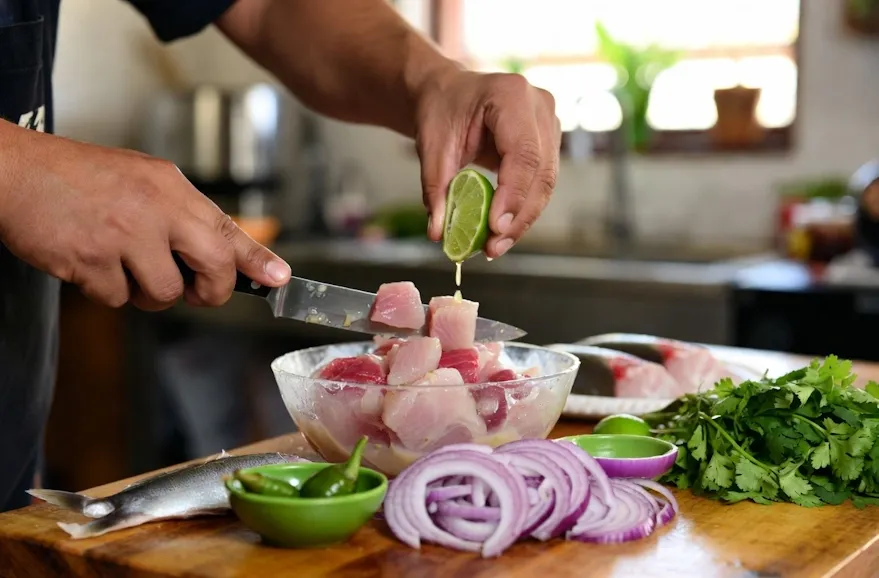
- Cut into 2cm (3/4 inch) cubes uniformly.
- Glass or earthenware bowl — no metal.
- Back in the fridge for you, go.
Step 3: Prepare the marinade (5 min)
- Squeeze those limes fresh — strain the seeds/pulp.
- Mix in salt till it dissolves.
- Add garlic if you're using it.
Phase 4: The marinate/"cook" (15-20 mins max)
- Pour juice over fish just to cover.
- Gentle stir.
- Fridge it right away.
- Timing: 10-12 mins for a bit rare in the center... 15-18 for fully "cooked." Don't go past 20 or it gets rubbery.
Phase 5: Final mix (5 mins)
- Drain off some excess juice (save it — that's leche de tigre gold).
- Add soaked onion (ice water soak crisps it up and mellows the bite).
- Toss in chiles and cilantro.
- Gentle fold — taste for salt.
Phase 6: Plate and eat (immediately!)
- Individual plates or big bowl.
- Sides around: corn, sweet potato slices, lettuce.
- Extra cilantro sprinkle.
- Cancha on the side.
- Dig in within 15 minutes — it's at its peak then.
SECTION 4: SAFETY FIRST — SERIOUS STUFF
Micro risks
- Parasites like Anisakis in sea fish.
- Bacteria: Salmonella, Listeria, etc.
- Viruses: Norovirus, Hep A.
Must-do prevention
- Freeze properly: -4°F for 7 days or colder faster.
- Keep cold chain — fridge temp from buy to eat.
- Clean everything: hands, tools, surfaces.
- No cross-contamination.
High-risk folks (go easy or avoid raw)
- Pregnant women
- Little kids under 5
- Elderly
- Immunocompromised
- Chronic illness peeps
Warning signs — toss it if...
- Strong ammonia smell
- Slimy texture
- Weird dull gray color
- Overly sour/bitter taste
- Cloudy excess liquid
SECTION 5: COMMON FAQs
Best fish for ceviche?
- Top picks: Sea bass, sole, grouper, snook.
- Good: Tuna, salmon (but freeze extra well).
- Okay: Snapper, kingfish.
- Avoid: Super oily or dark-fleshed.
Bottled lime juice okay?
Nah — fresh is way better: more acid, brighter flavor, no weird preservatives.
Control the heat from chiles?
- Remove veins/seeds, wear gloves, start small, soak in salted water to tame.
Why's mine watery?
Probably too much juice, over-marinated, or fish wasn't dry enough. Fix: Just cover the fish, drain before serving.
How do I know it's "done"?
Looks opaque/white all over, firm but not tough. 15-20 mins tops.
Make ahead?
Sort of — prep separate up to 2 hours, mix max 30 mins before. Fridge up to 4 hours total. Don't freeze finished.
Leftovers?
Drain juice, airtight container, fridge, eat within 4 hours. No refreezing.
Leftover juice ideas?
Make leche de tigre (add chile, etc.), salad dressing, or drink as a shot. Toss if it's been sitting too long.
No-fish versions?
Shrimp, octopus, scallops... or veggies like mushrooms, hearts of palm. Not traditional, but tasty.
Regional differences quick recap
- Peruvian: Minimal juice, key lime, ají limo, red onion.
- Mexican: More lime, tomato, avocado, soupier.
- Ecuadorian: Orange/lime, tomato, peppers.
- Chilean: Lemon, white onion, garlic, oil.
SECTION 6: PRO TIPS
Picking ingredients
- Fish: Fresh ocean smell, clear eyes, red gills, firm flesh.
- Limes: Heavy, thin skin, juicy.
- Onion/chiles/herbs: Firm, bright, no wilting.
Advanced tricks
- Uniform cubes for even "cooking."
- Soak onion in ice water 10 mins — crisp and less sharp.
- Let chiles infuse in juice first.
- Keep everything ice cold.
- Add herbs last for fresh pop.
Plating like a pro
- Chilled plates.
- Lettuce base, ceviche piled high (drained).
- Sides arranged pretty.
- Fresh herbs on top, extra juice on the side if they want.
SECTION 7: NUTRITION INFO
Per serving (about 7oz/200g)
- Calories: 180-220
- Protein: 25-30g
- Fats: 4-6g (mostly good omega-3s)
- Carbs: 8-12g
- Fiber: 2-3g
- Sodium: 300-500mg (watch if you're on low-salt)
Health perks
- Lean, digestible protein.
- Omega-3s for heart/brain.
- Vitamins C, B12, etc.
- Low cal, no saturated fats.
Diet notes
- Great for low-carb or high-protein.
- Careful with sodium if hypertension.
- Allergies to fish/shellfish — obvious no-go.
- Adjust heat for sensitive stomachs.
FINAL TIPS
For newbies
- Start simple with mild white fish.
- Stick to times exactly.
- Ease into spice.
- Small batch first.
- Splurge on quality fish — makes all the difference.
For experienced cooks
- Play with citrus mixes.
- Try tiradito-style thin slices.
- Add fun extras.
- Make your own signature version.
Golden rules
- Safety always — proper freeze.
- Quality ingredients — don't skimp.
- Freshness — make and eat quick.
- Cold everything.
- Keep it simple — let the fish shine.
There you go — this should get you perfect ceviche every time, safe and delicious, from shopping to serving. Common issues sorted, questions answered. Enjoy!