




This comprehensive guide will take you through the unique experience of high-altitude travel. If your itinerary includes locations like Cusco and/or Machu Picchu in Peru, then I am sure that you are already aware of soroche, or altitude sickness – a well-known condition experienced by anyone who travels to elevations above 8,000 feet due to the thinning of air molecules resulting in a decrease in available oxygen per breath or cubic foot of air. The question now is: how does the occurrence of rain impact your ability to achieve adequate oxygenation in an altitude environment? Here are the scientific facts revealed through research conducted by health and travel professionals on the relationship between humidity produced by rain or other forms of precipitation and your ability to obtain sufficient oxygen at higher altitudes.
What Is Soroche (Altitude Sickness)?
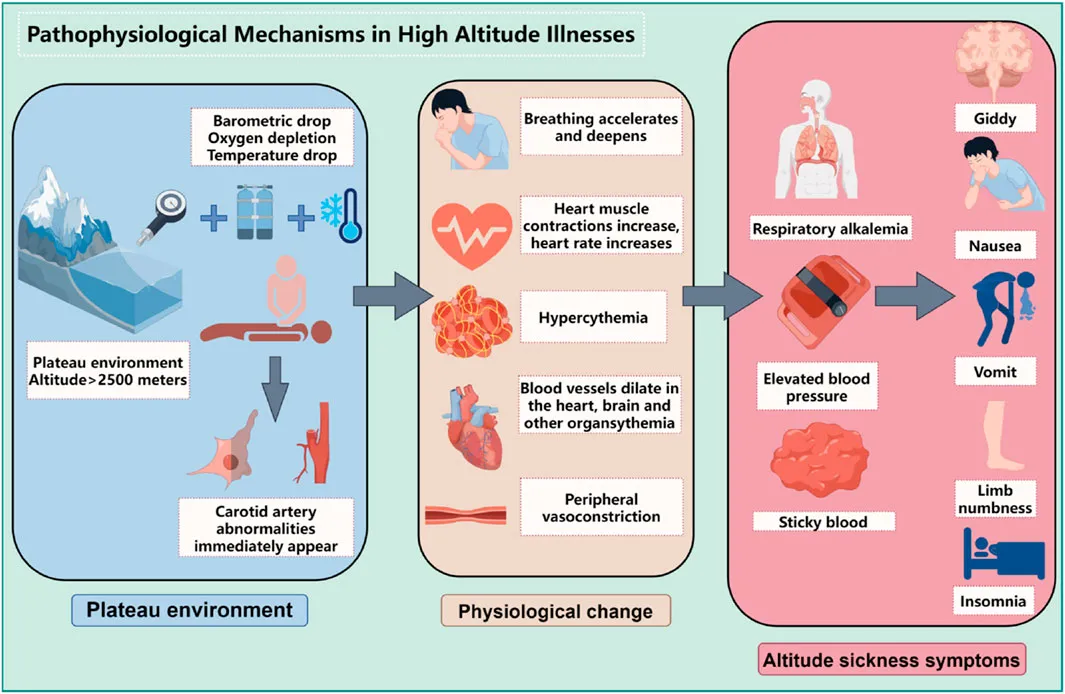
The body develops soroche, more generally known as acute mountain sickness (AMS), when it is unable to obtain adequate amounts of oxygen because of low air pressure at high elevations. At sea level, there is approximately 21% oxygen in the atmosphere; however, as you ascend (to location, e.g., Cusco) the air molecules become more dispersed, and therefore there is less oxygen available to each breath. AMS symptoms will vary, but they may include: headache; nausea; fatigue; dizziness; shortness of breath; and sleep disturbances. AMS can progress to even need greater dangers, such as high-altitude pulmonary edema (HAPE) and high-altitude cerebral edema (HACE), if not treated.
Elevation is not the only factor contributing to AMS; quick altitude gain without first getting used to the increase is another cause of AMS. Most individuals will experience AMS symptoms after they exceed 7,874 feet in altitude. Fitness level of the individual has virtually no influence on the person’s susceptibility to AMS; however, smokers and those with prior medical histories may experience even more difficulty with the disorder. Symptoms of AMS typically begin after 12-24 hours after arrival into altitude and usually will diminish after 2-3 days due to acclimatization through increased respiratory rate, increased production of red blood cells, and redistribution of blood flow.
How Does Altitude Affect Your Body?
As altitude increases, there is less air pressure (barometric) which results in decreased oxygen availability (hypoxia). As a result, heart rate, breathing depth and size of blood vessels in the brain and heart increase to compensate for the decrease in oxygen. If you are not adequately prepared to deal with these changes, this can lead to fluid imbalances and/or put stress on your organs as a result of these changes. Also, dehydration can occur as a complication at higher elevations. Dehydration occurs due to the lower humidity of the air at higher elevations, in addition to the fact you lose moisture faster through your breathing at higher elevations.
| Symptom | Mild Form | Severe Form |
| Headache | Throbbing, worsens with activity | Intense, unresponsive to meds |
| Nausea/Vomiting | Mild queasiness | Persistent, leading to dehydration |
| Fatigue | General tiredness | Extreme weakness, confusion |
| Shortness of Breath | During exertion | Even at rest |
| Sleep Issues | Restless nights | Insomnia or periodic breathing |
Does Humidity and Rain Affect Oxygenation?
The primary concern is to determine if rainfall or humidity can worsen a person's experience of soroche/altitude sickness. The answer is YES but indirectly. Regardless of seasons, the percentage of oxygen in our atmosphere stays constant at 21%. During the wet seasons in areas of Peru from November to March, you can expect to experience high levels of humidity which can make it more difficult to breathe normally.
The reason is due to the fact that since humid air is less dense due to the fact that the water vapor molecules are lighter than nitrogen and oxygen, each time you take a breathe in to your lungs, you are getting a few less oxygen molecules than you would receive from dry air. This compounding effect creates the same type of atmosphere as you would experience at an altitude with thin air. In aviation terms, this phenomenon is called increased density altitude and results from a decrease and/or change of environmental cues like humidity, heat and elevation which impacts one's performance capabilities due to the decreased density of air. When comparing how our bodies work, if we have to work harder for the purpose of breathing to get the same amount of oxygen, then it may lead to additional dehydration and fatigue.
While rain itself does not directly cause an increase in a person's experience of altitude sickness; the humidity created because of the rain and the cooler temperature and wet conditions may cause a person to experience both discomfort due to chills (if not appropriately dressed) and potential over-exertion (due to physical stress caused by the challenging condition of walking on slippery trails or other physical challenges presented by wet weather) which may contribute to a person's increase in symptoms of altitude sickness.
Tips to Prevent and Manage Soroche in Any Weather
Preparation is your best friend. Here's how to stay ahead:
- Acclimatize Slowly: Spend 1-2 days in Cusco before heading higher. Start low if possible—fly into Lima first.
- Hydrate Like Crazy: Drink 3-4 liters of water daily. Avoid alcohol and caffeine, which dehydrate you further.
- Eat Smart: Go for carbs—they provide more energy per oxygen molecule. Light meals help avoid nausea.
- Local Remedies: Sip coca tea (mate de coca) or chew coca leaves—Peruvians swear by it for mild relief. Soroche pills (like acetazolamide) can help too, but consult a doctor.
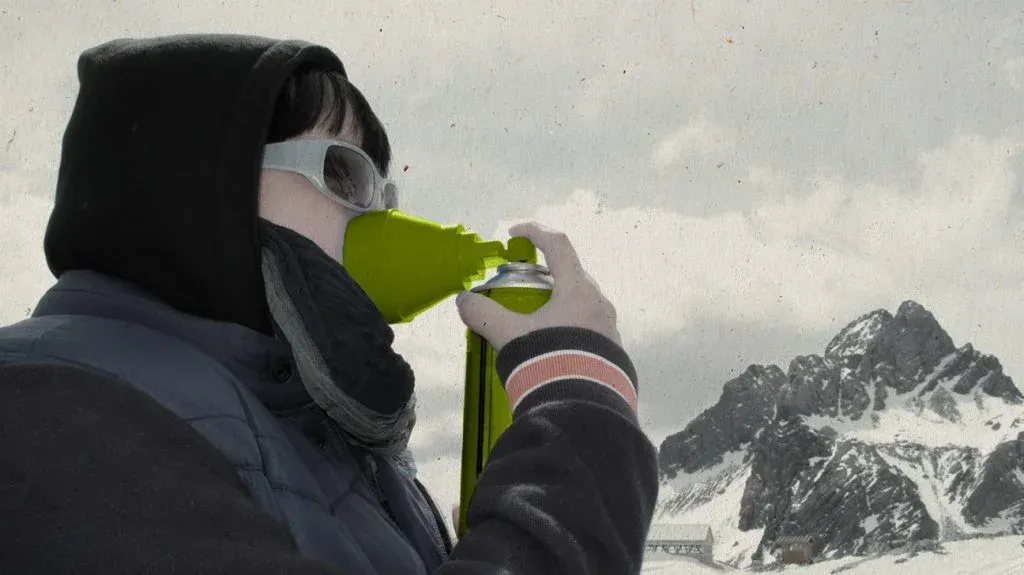
- Oxygen Boost: Many Cusco hotels offer oxygen tanks or oxygenated rooms. Portable cans (like Oxishot) are available at pharmacies for about $16.
- Monitor Yourself: Use a pulse oximeter to check blood oxygen levels—aim for above 90%.
- Weather Prep: In rainy seasons, pack layers, waterproof gear, and take it easy to avoid extra strain.
Wrapping It Up: Breathe Easy on Your Adventure
Understanding soroche (altitude sickness) and the ways that various elements such as humidity can help increase it means that you have a chance to enjoy the magnificence of the Andes and experience less of the associated drama. In addition to the amount of rainfall or new snow, humidity can also make the air feel heavier and more difficult to breathe; however, if you are properly prepared and follow the advice in this article, then you will not have a problem with either. Always listen to your body, and if things become unbearable, descend to a lower elevation and seek medical assistance. We wish you a wonderful trip to Peru, and may your body have sufficient oxygen at all times!
If you would like additional information about travelling in Peru, please return soon. Have you experienced soroche while travelling at high elevation? Please leave a comment.