



Cusco city punches you straight off with the sharp altitude sting and the aroma of wood fired ovens kicking off the morning. Inca era stone walls prop up colonial balconies while the markets pretty much never shut down.
Stick around for the plain facts on how Cusco city built up what the weather pulls where the cash flows in and the standout places to check out. You’ll also pick up solid advice on dealing with the Cusco city elevation getting around via a city map of Cusco Peru and choosing the ideal Cusco city tour or things to do Cusco city.
General Facts
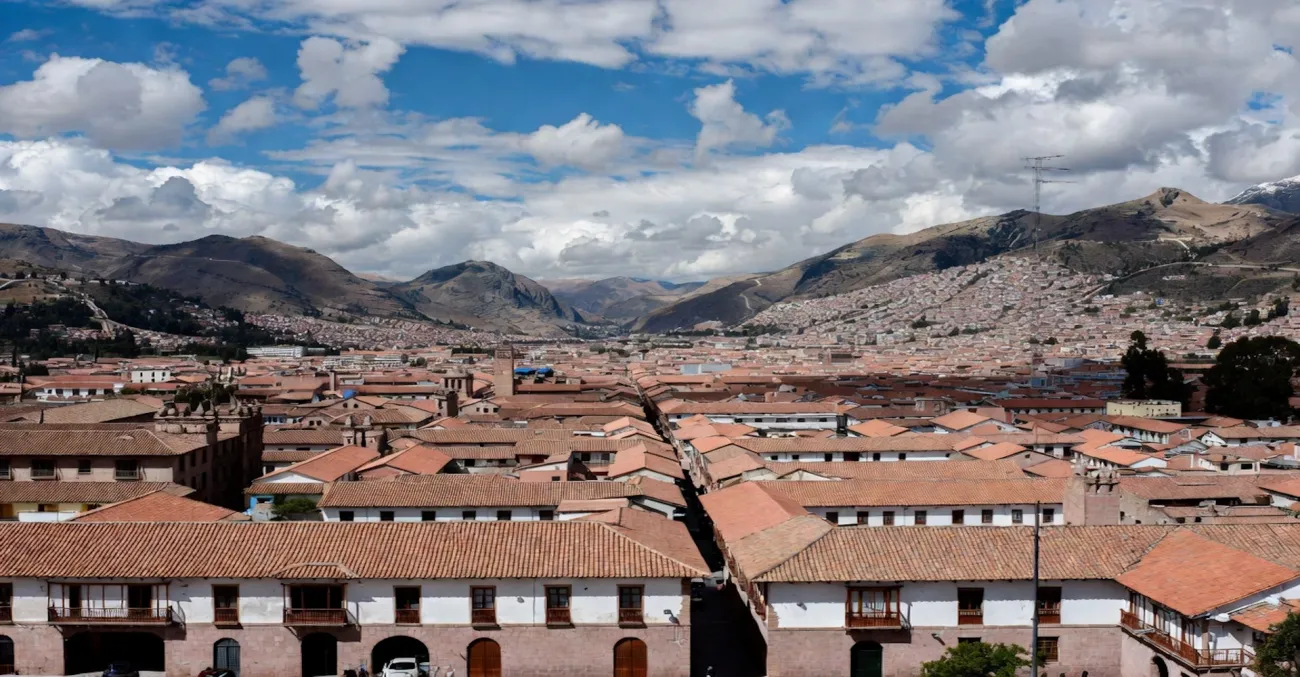
Nobody agrees on how to spell it exactly back in the day. The Incas scratched Qosqo into their quipus, that knotted string system they used instead of paper. Spaniards twisted it to Cuzco, and now it's Cusco city on most signs, though your taxi driver might grunt "Cusco" like he's clearing his throat. Perched in a valley southeast of Lima, it's the kind of place maps label with a star and a footnote about altitude.
Around 430,000 souls call it home, give or take a few thousand migrants who show up for festival season and forget to leave (Instituto Nacional de Estadística e Informática, 2022). The urban sprawl hugs about 150 square miles, compact enough that you can huff from one end to the other in a morning if the air cooperates. Globally, it snagged UNESCO status back in '83, a nod to the stonework that still mocks modern engineers.
Nicknames? Locals lean into "navel of the world," a boast from Inca times when roads fanned out like umbilical cords. Tourists just call it the jump-off for Machu Picchu, but wander the back alleys and you'll see why it earns its own spotlight. Size wise, it's no sprawling monster; more like a layered cake where every slice reveals a different era.
History
Legend says Manco Cápac wandered until his golden rod sank into soft earth right here, around 1200 or so. Historians squint at that, pointing to pottery shards and irrigation canals that predate the story by centuries. Either way, Cusco city ballooned from a cluster of huts into the Inca headquarters, complete with puma-shaped city planning because why not align your capital with a sacred animal.
Then came Pizarro in 1533, boots muddy from the coast, eyes wide at the gold. He snatched the place, executed the emperor, and the Spanish overlay began. Churches rose on temple foundations; you can still spot Inca trapezoidal doorways peeking from beneath colonial arches. Big shakes hit in 1650, crumbling the new stuff while the old stones shrugged. Another in 1950 did the same dance.
People changed too. Pure Inca bloodlines thinned with Spanish arrivals, then African slaves, then waves from everywhere. Quechua hung on in markets, Spanish dominated schools, and now English pops up on menus for quinoa bowls. The 1900s brought trains, then planes, then backpackers with selfies. Identity? It's a stew that keeps simmering.
Geography and Climate
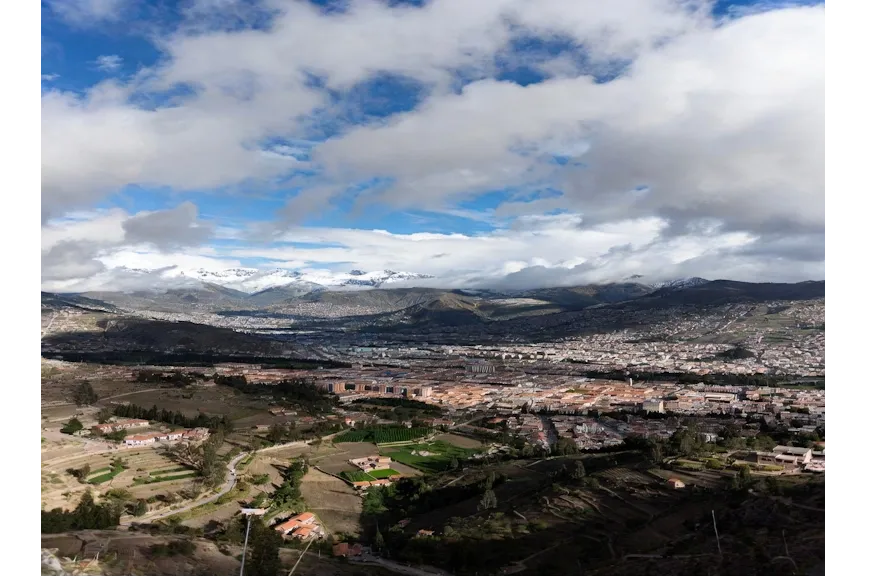
Nestled in a bowl, Cusco city lets the Huatanay River snake through like a lazy ribbon. Mountains crowd close: Ausangate to one side, looking eternal under snow caps; the Sacred Valley spilling out the other way toward jungle haze. No coast here, just altitude that makes your heart thump extra for every stair climbed.
That cusco city elevation hovers at 11,152 feet, enough to turn a casual stroll into a cardio session (Instituto Nacional de Estadística e Informática, 2023). Mornings bite with frost; afternoons bake if the sun breaks through. Coca leaves aren't a tourist gimmick up here, they're oxygen in chewable form.
Dry months from May to September mean clear views and chilly nights where you sleep under three blankets. Come rainy season, November to March, and the streets turn slick, clouds hang low, but the hills explode green. Landslides? Occasional uninvited guests closing a road for a day. You learn to check forecasts and pack accordingly.
Economy and Industry
Everyone jokes that tourism is the real Inca gold now. And yeah, it employs a chunk of folks, guides spinning tales at ruins, knitters turning alpaca fluff into hats faster than you can say souvenir. One in three jobs ties back to visitors snapping photos or boarding trains to Aguas Calientes.
But dig deeper. Farmers haul potatoes in rainbow stacks to San Pedro market, varieties you've never dreamed of back home. Weavers in cooperatives keep looms humming with patterns passed down like family recipes. Unemployment sits around 6 percent, decent for Peru, though plenty hustle multiple gigs (Instituto Nacional de Estadística e Informática, 2023).
Tech creeps in quietly: apps for booking cusco city tour spots, startups mapping hiking trails with drone footage. Living costs? Manageable if you skip the gringo menus. Eat street food, rent a room with a view of rooftops, and your wallet breathes easier than you do at altitude.
Culture and Lifestyle
The sensory experience of Cusco city begins with its distinctive aromas. Roasted corn, known locally as choclo, fills the air alongside the pungent notes of ají peppers and the subtle incense from religious processions. These scents reflect the integration of daily commerce, culinary tradition, and spiritual practice that defines public life.
Cuisine remains grounded in Andean ingredients and techniques. Quinoa-based soups, rich in texture and flavor, provide sustenance suited to high-altitude conditions. Alpaca meat, lean and mildly flavored, appears in stews or grilled preparations. Cuy, or guinea pig, retains its status as a traditional delicacy, typically roasted and served whole. The central San Pedro market serves as the primary venue for these offerings, where vendors announce prices in rhythmic Quechua and Spanish while children assist in arranging produce displays.
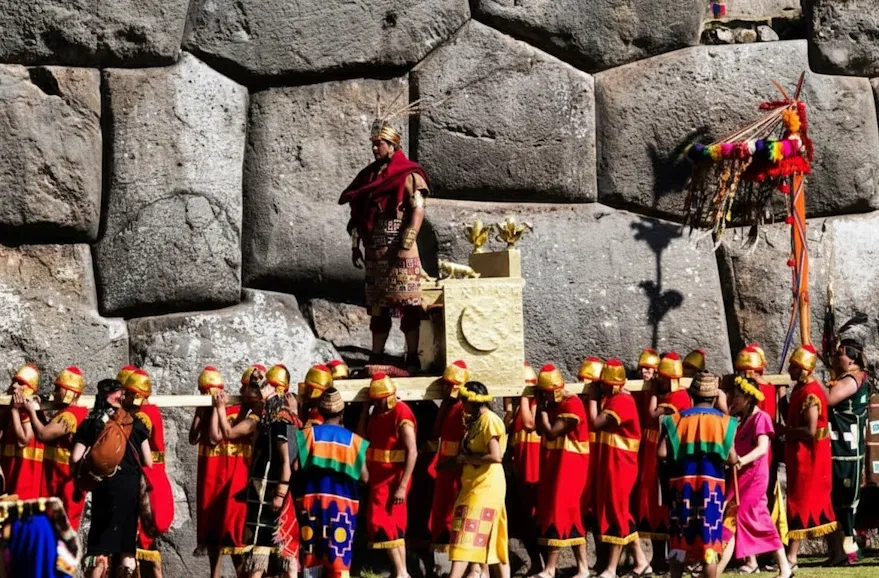
Cultural festivals punctuate the annual calendar with significant communal participation. The Inti Raymi, held on June 24, constitutes the most prominent celebration, commemorating the Inca winter solstice. Thousands gather at the Sacsayhuamán archaeological site to witness a theatrical reconstruction of imperial ceremonies, featuring elaborate costumes and ritual performances. Carnival, observed in February, introduces a more playful dimension through citywide water fights and foam battles involving residents of all ages.
Musical expression spans traditional and contemporary forms. Peñas, intimate live-music venues, present huayno melodies played on charango and quena, often transitioning seamlessly into modern rock or fusion arrangements. This blend illustrates the adaptive nature of local artistic practice.
Visual arts maintain a strong presence in both institutional and public spaces. Museums such as the Museo Inka and the Pre-Columbian Art Museum preserve gold artifacts, ceramic vessels, and textile works from pre-Hispanic cultures. Contemporary street art emerges regularly on urban walls, addressing themes ranging from environmental concerns to social commentary. Nightlife centers on historic courtyards converted into bars and clubs, where dancing continues into the early hours amid colonial architecture.
Demographic diversity enriches cultural expression. While Quechua heritage forms the foundation of identity, recent immigration has introduced new influences. Korean students operate food carts offering adapted versions of bibimbap, while Italian bakeries experiment with traditional recipes adjusted for altitude baking challenges. This multicultural integration occurs organically, preserving core Andean elements while accommodating external contributions (Instituto Nacional de Estadística e Informática, 2022).
Architecture and Landmarks
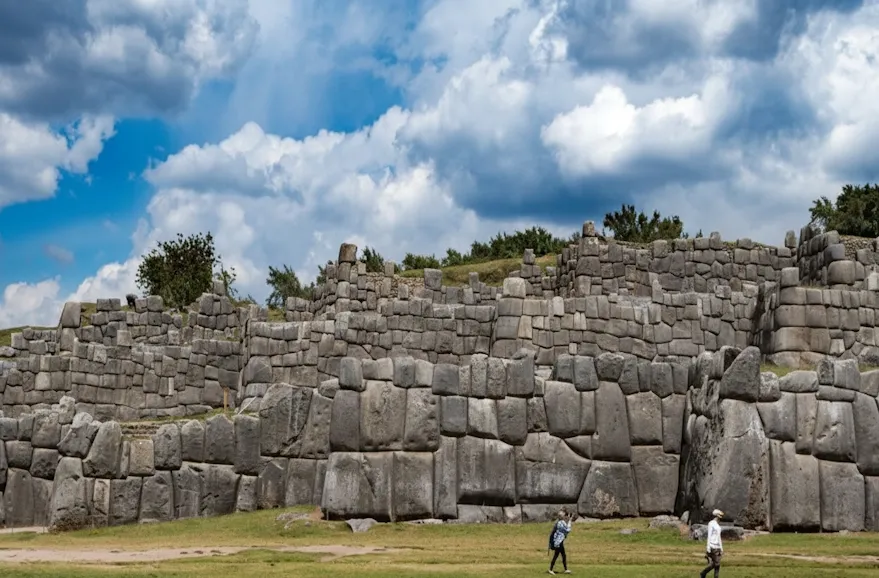
Inca masons were show-offs. Walls at Sacsayhuamán zig-zag with boulders fitted so precisely earthquakes just rearrange the scenery. Qorikancha started as a sun temple coated in gold sheets; Spaniards built a monastery over it, and now you peek through grates at the older curves beneath.
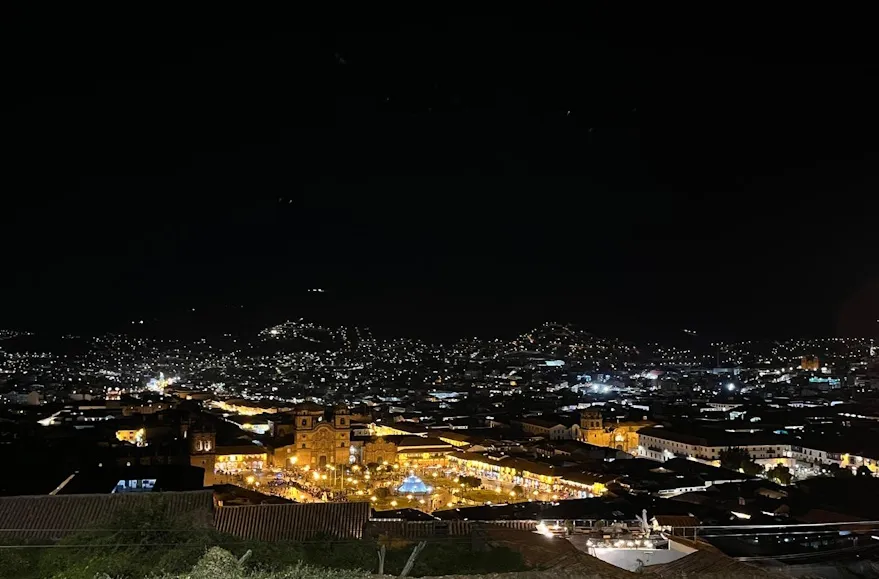
Plaza de Armas is the heartbeat. Cathedrals loom with bells that crack the dawn, balconies carved like lace. Fountain in the middle where pigeons plot world domination. Sit long enough and you'll see weddings, protests, tourists proposing; all in one afternoon.
Up the hill, Tambomachay channels water through stone spouts still functioning after centuries. Q’enqo hides underground passages lit by torch if your guide's feeling dramatic. Modern stuff? Mostly respectful additions, though one glassy hotel sparked debates about skyline purity.
Politics and Governance
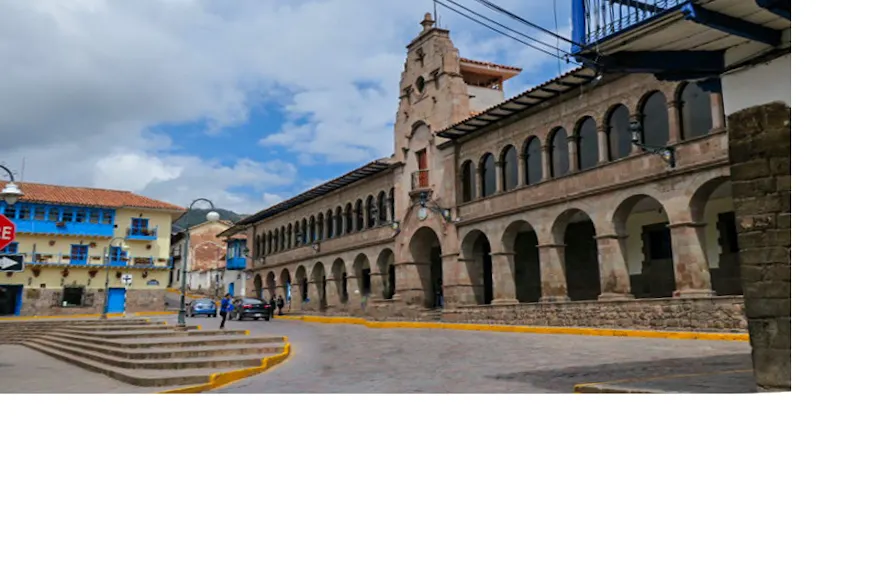
The Provincial Municipality of Cusco operates from a historic building in the city center, where the mayor and 15-member city council manage local affairs. Elected every four years, the council includes representatives from various districts, overseeing budgets, urban planning, and public services. Under Mayor Luis Pantoja, who took office in 2023, the administration has emphasized tourism promotion alongside infrastructure upgrades, such as improved access to Inti Raymi events.
Current policies focus on environmental sustainability, including a ban on single-use plastics in markets since 2022 and the installation of solar streetlights in the historic center to reduce energy costs. Elections draw high participation, with candidates often pledging cable car systems for hilly neighborhoods and river cleanup efforts along the Huatanay. Progress varies, as budget constraints and tourism demands compete for resources.
Housing challenges concentrate on peripheral areas, where informal settlements on steep Andean slopes house about 20 percent of residents, vulnerable to landslides during rainy seasons. Recent events, like the 2024 Chaychapampa River overflow in nearby Chumbivilcas, displaced families and damaged over 50 homes, underscoring the need for resilient building codes. The municipality has initiated relocation programs, though implementation lags due to land disputes.
Crime in Cusco remains moderate, with petty theft, such as pickpocketing in Plaza de Armas, accounting for most incidents among tourists, while violent crimes like assaults occur infrequently. Victimization rates have fallen to under 25 percent citywide since 2020, per national surveys. Inequality persists, fueled by tourism booms that benefit hotels over local vendors, widening gaps where 32 percent of residents live in poverty despite the sector's economic pull.
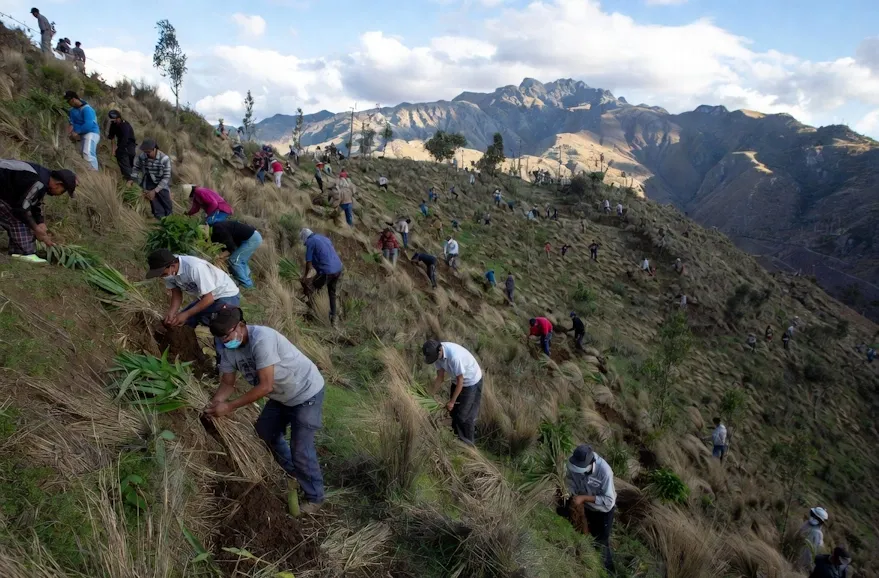
Community responses thrive through neighborhood associations, like those in San Blas planting native trees to combat erosion. Groups such as Ingenio Verde collaborate with the municipality on composting pilots, turning market waste into fertilizer for urban gardens. These efforts, alongside policies for greener public transit, foster incremental change amid ongoing debates in local cafes.
Education and Innovation
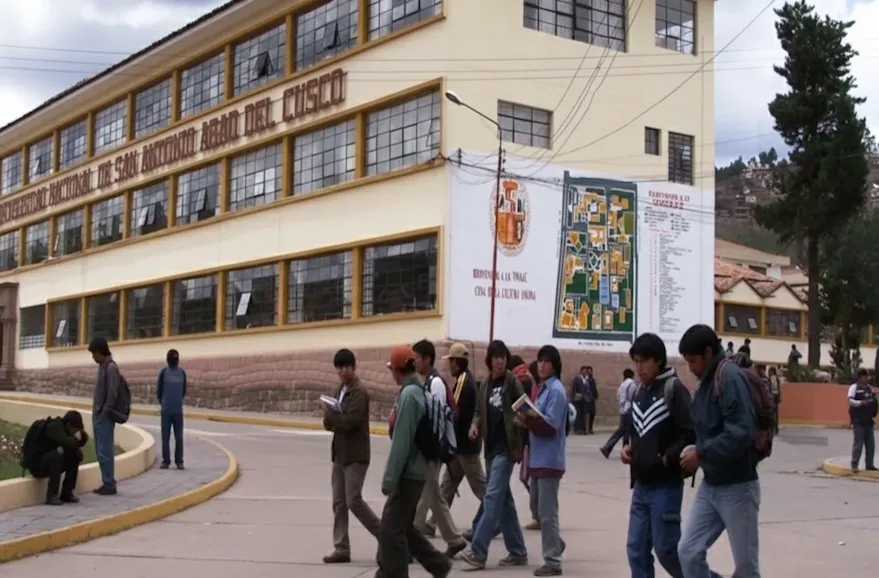
San Antonio Abad University, founded 1692, sprawls with cloisters where students argue over coffee strong enough to wake the dead. Focus on practical: digging up the past, engineering crops for higher yields, managing tourist hordes sustainably.
Schools dot hillsides; kids in uniforms trek uphill, books balanced on heads. Bilingual education—Spanish mornings, Quechua afternoons; produces grads who switch languages mid-sentence. Literacy near 95 percent, a quiet win (Instituto Nacional de Estadística e Informática, 2022).
Ideas bubble. Locals app-ed public fountains to save desperate tourists. Potato breeders cross ancient strains for climate toughness. Writers pen novels in indigenous tongues; filmmakers capture shaman rituals before they fade.
Transportation and Infrastructure
Combi vans rattle like tin cans on strings, stopping wherever a hand waves. No metro dreams here; buses and feet rule. Taxis negotiate fares with a grin; learn a few Quechua numbers for fun.
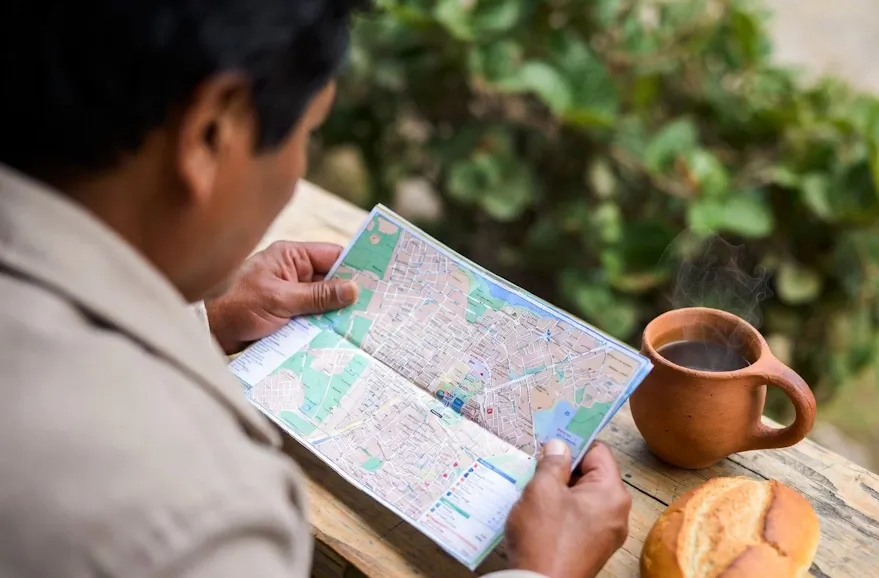
Airport's small, domestic mostly; international means Lima layover. Roads out hairpin through passes where condors eyeball your rental car. Walk the center easy; city map of cusco peru in pocket, or phone if signal behaves.
Traffic jams feature tour buses and stray dogs napping in sunspots. Bikes gain ground, though pedaling uphill earns respect. Smart moves: pedestrian Sundays closing streets to cars, letting strollers reclaim space.
People and Demographics
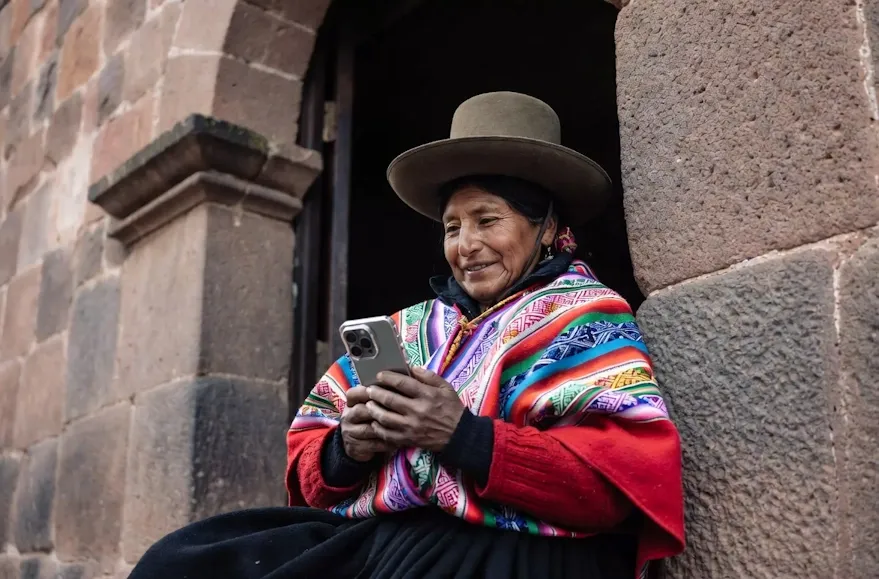
Faces tell stories. Quechua majority around 60 percent, mestizo mix, pockets of others (Instituto Nacional de Estadística e Informática, 2022). Folks leave for coastal jobs, return with new tastes; students arrive eager and full of wonder from provinces.
Legends walked here: Garcilaso de la Vega chronicled the conquest, Neruda penned odes in cheap rooms. Today's heroes? The guide who carries injured trekkers down mountains, the granny guarding seed varieties like treasures.
Talk to anyone long enough and tales spill. The vendor who hiked from her village at dawn, the kid coding tourism apps in a cafe. Migration keeps the blood fresh, the conversations endless.
Challenges and Future Outlook
Glaciers recede, leaving water worries. Pipes burst in winter freezes; summer rains erode hillsides. City eyes reservoirs, but politics delay shovels.
New hotels push locals outward, rents climb, communities fracture. Murals protest; petitions circulate. Plans promise mixed housing, though cranes move at Andean pace.
Green shoots: community gardens on rooftops, electric taxis testing routes. Youth lead cleanups, elders teach quincha building for quakes. Outlook? Wobbly optimism, like hiking with a full pack but stunning views ahead.
Practical Visitor Info
Aim for dry season clarity, May-September, though nights demand wool. Rainy months trade crowds for lush landscapes and impromptu river crossings.
Essentials: Plaza at dusk, San Blas workshops, market breakfasts. Secrets: backdoor to San Cristóbal church for quiet vistas, unmarked chichería for corn beer chats.
The cusco city elevation insists you take it easy at first, chug water like your life depends on it, and let your body catch up before you start conquering hills. Walk everywhere; grab cusco city tour for context or wing it with things to do cusco city scribbled on a napkin. Safety's common sense: crowds mean light fingers, nights mean warm layers.
You leave Cusco city with lungs stronger, camera full, maybe a woven bracelet from a kid who negotiated like a pro. The stones, the stories, the thin air; they rearrange something inside without asking permission. It's not a checklist destination; it's the kind where plans dissolve into moments, and you board the plane wondering why home feels suddenly lower.
Frequently Asked Questions
What's the deal with cusco city elevation? 11,152 feet of reality check. First day: nap, tea, no heroics. Coca helps, so does not sprinting for buses.
Altitude sickness got tips for cusco city? Slow everything. Water like a camel, light eats, mate de coca from any corner store. Worst passes in 48 hours.
Top things to do cusco city without melting? Dawn at Sacsayhuamán, market graze, San Blas wander, sunset plaza people-watch. Pace yourself.
Worth a cusco city tour or solo? Guided for history nuggets; solo for getting gloriously lost. Mix both.
Need a city map of cusco peru that works? Tourist office freebies or offline apps. Streets rename themselves for sport.
Best visit window for cusco city? Dry for views, wet for solitude. Festivals trump weather every time.
Safe wandering in cusco city? Yes, with eyes open. Day fine, night stick to lit paths, trust locals over sketchy offers.
Must-eat in cusco city? Quinoa anything, rocoto relleno, fresh trout if rivers cooperate. Street empanadas for the win.
Days enough for cusco city? Three base, five luxury. Add Sacred Valley and you're hooked.
Machu Picchu from cusco city doable? Trains daily, buses cheaper but longer. Book way ahead or cry at the station.
References
Instituto Nacional de Estadística e Informática. (2022). Perú: Perfil sociodemográfico – Censo nacional 2017. https://www.inei.gob.pe/media/MenuRecursivo/publicaciones_digitales/Est/Lib1539/libro.pdf
Instituto Nacional de Estadística e Informática. (2023). Indicadores económicos departamentales. https://www.inei.gob.pe/estadisticas/indice-tematico/economia/
Instituto Nacional de Estadística e Informática. (2023). Perú en cifras: Cusco. https://www.inei.gob.pe/media/MenuRecursivo/publicaciones_digitales/Est/Lib1863/cap01.pdf